What should you eat on GLP-1 medication?
Published 17 February 2026 · Updated 14 October 2026

What to eat on GLP-1 medication comes down to one rule: protein first, on a smaller plate. These medicines shrink appetite, so you eat far less; every meal then has to carry more protein, fibre and micronutrients per bite, or the weight you lose includes more muscle than it should.
There is no official GLP-1 diet and no banned-foods list. But a 2025 joint advisory from four American nutrition and obesity bodies sets clear priorities: adequate protein, minimally processed food, enough fluids, and eating patterns that keep digestive side effects manageable.
This guide turns those priorities into a South African plate: what to put on it, a sample day of eating, what makes nausea worse, what to eat on the rough days, and how to reach a protein target on a budget.
Why does protein come first on GLP-1 medication?
Because muscle is on the line. When anyone loses weight quickly, some of the loss is lean mass, and eating very little protein makes that share bigger. The 2025 joint advisory recommends roughly 1.2 to 2.0 g of protein per kilogram of adjusted body weight per day during active weight loss, or a simpler flat target of 80 to 120 g per day.
In food terms that means anchoring every meal on a protein source: eggs, chicken, fish including pilchards and tuna, lean beef, maas, plain yoghurt, cottage cheese, beans, lentils and chickpeas. Two eggs, a tin of pilchards and a chicken breast already carry you most of the way to 80 g. Vegetarian and halaal kitchens reach the same target with eggs, dairy, beans, lentils and soya; the principle travels.
Spread it out rather than saving it for supper. Around 25 to 30 g per meal is a workable rhythm, because a shrunken appetite cannot absorb a 70 g protein dinner in one sitting no matter how good the intentions were at breakfast.
Protein alone is not enough to protect muscle. The advisory is blunt that it must be paired with strength work, covered in GLP-1 and exercise.
What does a good GLP-1 meal look like?
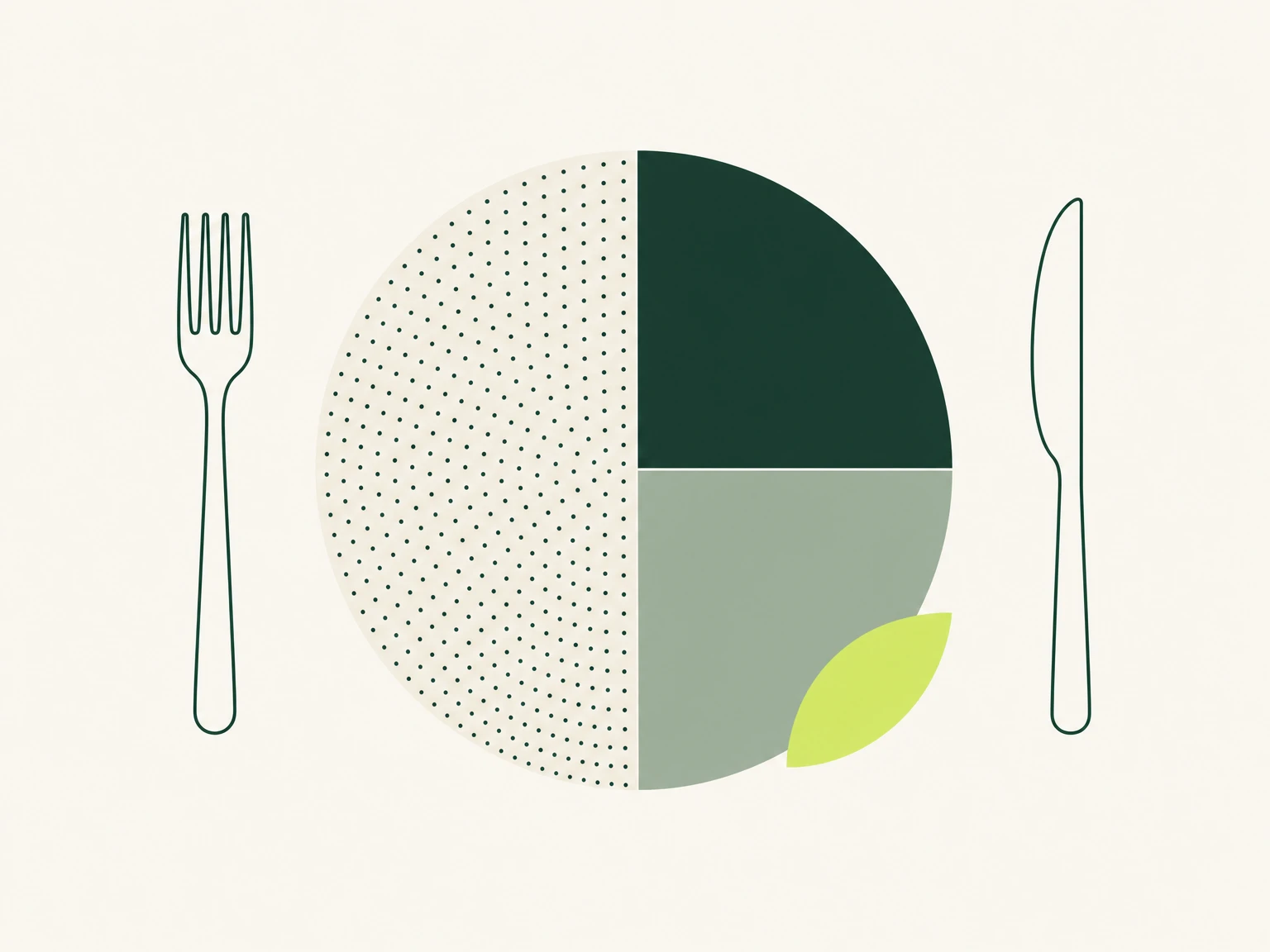
Small, and built in order: protein first, vegetables and fruit second, high-fibre starch last. A side plate instead of a dinner plate matches the appetite you actually have and takes the pressure off finishing.
| Meal | Build it like this | South African examples |
|---|---|---|
| Breakfast | Protein plus fruit or oats | Eggs and tomato; plain yoghurt with oats and banana |
| Lunch | Protein plus vegetables plus a small starch | Tuna or chicken salad with a slice of seed bread |
| Supper | Palm-size protein, half a plate of vegetables, fist of starch | Grilled fish or chicken, green beans and butternut, small scoop of brown rice or pap |
| Snacks | Protein or fibre, not both fried and salty | Boiled egg, handful of nuts, fruit, biltong in moderation |
The order matters more than it sounds. Fullness arrives early and suddenly on these medicines, so whatever you eat first is what reliably gets eaten; put the chicken ahead of the rice and the cut-off lands on starch, not protein.
Eat slowly and stop at satisfied rather than full. A slower stomach punishes the old habit of clearing the plate, and grazing all day on snacks crowds out the protein meals that matter.
What does a full day of eating look like on GLP-1 medication?
A workable day on GLP-1 medication is three small meals and one or two protein-led snacks: roughly 80 to 120 g of protein in total, vegetables or fruit at two meals, and about two litres of fluid spread between meals. Here is what that looks like with South African food.
| Time | What it looks like | Protein, roughly |
|---|---|---|
| Breakfast | Two eggs on a slice of seed toast | 16 g |
| Mid-morning | Small tub of plain yoghurt with a spoon of oats | 8 g |
| Lunch | Tuna and salad with a slice of seed bread | 25 g |
| Afternoon | Boiled egg, or a small handful of biltong | 6 to 16 g |
| Supper | Palm-size grilled chicken or fish, green beans and butternut, small scoop of pap or brown rice | 30 g |
| Evening | Rooibos or water; nothing more if you are not hungry | 0 g |
That day lands between 85 and 95 g of protein without one large meal anywhere in it. Swap within rows freely: pilchards for tuna, maas for yoghurt, beans or soya mince for chicken. Keep the rhythm and change the menu as you like.
Drink mostly between meals rather than with them. A full glass alongside food takes up space the meal needs, and fluid fits in more easily across the day.
On rough days the whole table shrinks to the plain list further down this page. That is normal and temporary.
How often should you eat on GLP-1 medication?
Three small meals a day suit most people, with a protein-led snack in any long gap. Small and regular controls nausea better than one big evening meal, and it spreads protein across the day, which is the only way a shrunken appetite reaches 80 g or more.
Forcing food down when you feel nothing is not the goal. Follow the schedule loosely, stop at satisfied, and let the snack fall away on days it is not needed.
Give a meal twenty minutes. Fullness signals lag behind the food on these medicines, and eating fast overshoots the new limit; the cost of overshooting is an afternoon of discomfort.
If whole days start passing on almost nothing, say so at your next review. Eating far too little is as much a treatment question as nausea is, and a doctor would rather adjust the plan than have you push through it.
Which foods make GLP-1 side effects worse?
GLP-1 medicines slow stomach emptying, so anything that sits heavily sits heavily for longer. The usual suspects for nausea, reflux and bloating are fried and fatty foods, very rich or creamy dishes, large portions of anything, fizzy drinks, very sweet foods, and alcohol.
None of these are forbidden; the dose of them is the problem. A few hot chips alongside a protein meal lands differently to a full packet on an empty stomach. Many people find their tolerance for greasy food and alcohol simply drops, especially in the weeks after a dose increase.
Reflux has its own short list. Chilli-heavy dishes, chocolate, peppermint and eating within two hours of bed all make heartburn likelier when the stomach empties slowly; shifting supper earlier fixes more reflux than any food swap.
If nausea, vomiting or constipation persist despite these changes, that is a treatment conversation, not a willpower problem: the options are covered in managing GLP-1 side effects, and dose pacing is one of them.
What about fibre and constipation?
Constipation is one of the most common complaints on GLP-1 medicines, and eating much less food is part of the cause: less volume in means less movement through. Fibre and fluids together are the fix, and they only work as a pair.
Useful South African sources are vegetables at two meals a day, whole fruit rather than juice, oats, seed or whole-wheat bread, beans and lentils, and a spoon of bran or chia stirred into yoghurt. Increase fibre gradually over a week or two; a sudden jump bloats a slow stomach.
If a few days pass without relief despite fibre and water, a pharmacist can recommend a laxative while you adjust. Mention it at your next doctor review either way, because persistent constipation sometimes changes the dose plan.
How much should you drink on GLP-1 medication?
More than your thirst suggests. Appetite and thirst signals both quieten on these medicines, and much of the fluid people normally get arrives with food they are no longer eating. Around two litres of water spread through the day suits most adults; more in heat or with exercise.
Water, rooibos and other teas, coffee in normal amounts and sugar-free drinks all count. If you forget to drink, set visible prompts: a filled bottle on the desk each morning beats intending to remember. Fizzy drinks bloat a slow stomach, and sugary drinks spend your small appetite on nothing.
Dehydration is the risk to respect. If vomiting or diarrhoea keeps you from holding fluids down for more than a day, contact your doctor; ongoing fluid loss can strain the kidneys.
What should you eat on nausea days?
Plain, low-fat, small and slow. Dry toast, crackers, rice, oats, banana, clear soup and plain yoghurt are the reliable options; NHS dietary guidance for weight-loss medicines gives the same short list. Cold food helps some people because it smells less than hot food.
Sip fluids steadily between small meals rather than drinking large amounts at once. Some people find ginger tea settles the stomach; there is no harm in trying it. On days when very little stays down, an oral rehydration solution from the pharmacy replaces salts as well as water.
Nausea days cluster around dose increases and usually pass within days to weeks. Riding them out on plain food is normal; vomiting that will not stop is not, and severe, persistent stomach pain means seek medical care immediately.
How do you eat enough protein on a budget?
Eggs, tinned pilchards, maas, beans, lentils and frozen chicken portions carry a protein target at the lowest cost. Dried beans and lentils are among the cheapest protein per rand in the trolley, and eggs and pilchards are usually the cheapest of the animal sources.
A practical week leans on repetition: eggs at breakfast, pilchards or beans at lunch, chicken or soya mince at supper, maas or yoghurt between. Chicken livers add iron as well as protein cheaply, and peanut butter turns a slice of bread into a snack with some substance.
Protein powders are optional. A scoop stirred into yoghurt or oats is a convenience on low-appetite days, not a requirement. The advisory mentions plain whey protein alongside strength training; nothing marketed specifically at people on these medicines is needed.
Do you need a multivitamin or supplements on GLP-1 medication?
Not automatically. The 2025 advisory flags micronutrient shortfalls as a real risk once food volume drops, so a standard daily multivitamin is sometimes sensible when eating is very light. It is a question for your doctor at a review, not a default purchase.
The nutrients that run short first are the ones that arrive with food volume: calcium and vitamin D from dairy, iron from red meat, beans and eggs, B vitamins from whole grains. Two dairy servings a day and beans or red meat a few times a week cover most of it.
Skip anything sold as a natural GLP-1, slimming drops or an appetite-suppressant supplement. None of these is a registered medicine, the contents are unverified, and SAHPRA has warned repeatedly about falsified and unregistered products sold for weight loss. They are not a substitute for food, and not a substitute for treatment a doctor confirms.
Does the eating advice change between Wegovy, Mounjaro and Saxenda?
No. All of these medicines quieten appetite and slow stomach emptying, so protein first, fibre, steady fluids and small portions apply across the class. A Mounjaro treatment plan asks for the same plate as a semaglutide one; what differs is the dose schedule and when side effects tend to flare.
Mounjaro's active medicine, tirzepatide, works on a second gut hormone alongside GLP-1, and Saxenda is injected daily rather than weekly. Neither difference changes the food advice. Ozempic is registered for type 2 diabetes, with the weight-management registrations held by other products in the class.
Nausea clusters around dose increases on all of them, so plan the plain-food days around step-ups; the Mounjaro dose ladder shows how those steps are spaced. Which medicine, if any, fits your health picture is decided by a doctor on assessment, and the eating advice on this page holds whichever way that decision goes.
Do you need a special GLP-1 diet or meal plan?
No. No specific eating plan has been shown to be required alongside GLP-1 treatment, and no meal plan can promise a particular result. The medicine reduces how much you want to eat; your food choices decide what that smaller appetite gets spent on.
What matters is nutrient density. A small appetite filled with processed snacks technically fits the calories while leaving you short on protein, fibre, calcium and iron, which is why the advisory puts micronutrient deficiencies on its priority list.
Social eating does not need special rules either. At a braai, the plate builds the same way: meat or chicken first, salads second, a small helping of pap or rolls last, and drinks counted with eyes open.
In a doctor-led programme, eating is part of the reviews rather than a separate project, and a dietitian referral is added where it earns its place. The habits that outlast the medicine are covered in keeping weight off after GLP-1. Related reading: what to expect from doctor-led treatment.
One brief balance note: these medicines commonly cause digestive side effects, and they are not suitable for everyone, including during pregnancy. A doctor screens for that before any treatment plan is confirmed.
Frequently asked questions
Can you drink coffee on GLP-1 medication?
Yes. Coffee is fine in normal amounts; if it triggers nausea, have it with food rather than on an empty stomach.
Can you drink alcohol on GLP-1 medication?
There is no absolute ban, but alcohol sits longer in a slowed stomach and commonly worsens nausea, so many people cut right down. Discuss your intake with your doctor.
What happens if you eat too little protein on GLP-1 medication?
A bigger share of the weight you lose comes from muscle. Aim for roughly 80 to 120 g of protein a day and pair it with strength training.
Should you eat before or after your injection?
It makes no difference. These medicines work over days, not around individual meals, and can be injected with or without food.
Is skipping meals a good idea on GLP-1 medication?
No. Small regular meals control nausea better than long gaps followed by a large plate, and skipping meals makes it harder to reach your protein target.
Can you do intermittent fasting on GLP-1 medication?
It is rarely a good fit. Long fasting windows make the daily protein target harder to reach and often end in nausea when a large meal finally arrives. Discuss any fasting pattern with your doctor first.
Do you need to count calories on GLP-1 medication?
No. The medicine limits how much you eat; your job is choosing what fills that smaller space. Tracking protein grams for a week or two is more useful than counting calories.
Can you eat bread, pap and other carbohydrates on GLP-1 medication?
Yes. No food is banned. Choose higher-fibre versions like seed bread and oats where you can, keep portions small, and eat them after the protein on your plate rather than first.
Sources
This article is general information, not personal medical advice. Treatment decisions are made by a registered doctor on assessment. Individual results vary. We do not sell medicine. A consultation and a valid prescription from a registered doctor are required; treatment is never guaranteed.